

keurig mini instruction manual
Keurig Mini Instruction Manual: A Comprehensive Guide
Welcome! This guide unlocks the full potential of your Keurig Mini brewer, ensuring delightful coffee experiences. Remove all packing materials and explore features for optimal brewing.
Initial Setup & Unboxing
Congratulations on your new Keurig Mini! Begin by carefully removing the coffee maker from its packaging. Retain the box and packing materials for potential future use, such as warranty claims or relocation. Locate and remove all packing tape securing the unit and any internal components.
Next, gently pull the plug and extend the cord from the integrated cord storage located at the back of the brewer. Ensure the cord is fully extended and not kinked or damaged. Plug the Keurig Mini into a grounded electrical outlet. Important: Verify the outlet voltage matches the specifications listed on the appliance.
Before first use, visually inspect the brewer for any signs of damage that may have occurred during shipping. If any damage is present, do not operate the unit and contact Keurig customer support immediately. Familiarize yourself with all the parts before proceeding.
Powering On Your Keurig Mini
Activating your Keurig Mini is a straightforward process. Once plugged into a grounded outlet, locate the power button – typically found on the top or side of the unit. Press the power button firmly to initiate the startup sequence. You’ll likely observe an indicator light illuminating, signaling that the brewer is receiving power.
Allow a few moments for the internal systems to initialize. The Keurig Mini may briefly run a self-check, which is a normal part of the power-on process. During this time, avoid pressing any other buttons or attempting to brew a cup. The brewer is designed to automatically prepare itself for operation.
If the power light does not illuminate, verify the outlet is functioning correctly by testing it with another appliance. Also, double-check that the power cord is securely connected to both the brewer and the outlet. If issues persist, consult the troubleshooting section of this manual.
Understanding the Parts of Your Keurig Mini
Familiarizing yourself with the components of your Keurig Mini is crucial for efficient operation. Key parts include the water reservoir, located at the back or side, which holds the water for brewing. The K-Cup pod holder, situated on top, securely accommodates the coffee pods.
Observe the drip tray, designed to catch any spills or drips, ensuring a clean countertop. The entrance and exit needles, vital for piercing and dispensing, are located within the K-Cup pod holder assembly. The power button initiates the brewing cycle, while indicator lights communicate the brewer’s status.
Some models feature cord storage, neatly concealing excess cable length. The reservoir lid prevents contamination, and the handle allows for easy pod insertion and removal. Understanding these parts will simplify cleaning, maintenance, and troubleshooting, maximizing your Keurig Mini experience. Refer to diagrams for visual identification.
First-Time Use: Priming the System
Before enjoying your first cup, priming your Keurig Mini is essential to ensure optimal performance and remove any residual manufacturing debris. Begin by filling the water reservoir to its maximum fill line with fresh, filtered water. Ensure the reservoir is securely placed on the brewer base.
Without inserting a K-Cup pod, close the lid firmly. Place a large mug or carafe on the drip tray to catch the water. Press and hold the brew button for approximately three seconds – this initiates the priming cycle. The brewer will dispense hot water, flushing out the internal system.
Repeat this process 2-3 times, or until the water runs clear and free of any particles. This initial flush prepares the Keurig Mini for brewing delicious coffee. Discard the water after each cycle. Priming guarantees a cleaner, better-tasting first brew and prolongs the life of your appliance.
Brewing Your First Cup
Now that your Keurig Mini is primed, it’s time to brew your first cup of coffee! Begin by lifting the lid and inserting your favorite K-Cup pod into the K-Cup holder. Ensure the pod is seated correctly. Close the lid securely – the brewer won’t operate if the lid isn’t fully closed.
Place a mug on the drip tray, ensuring it’s appropriately sized for your desired brew size. Select your preferred brew size using the button – options typically include 6oz, 8oz, or 10oz. Press the brew button once to start the brewing process. The Keurig Mini will automatically pierce the K-Cup pod and begin dispensing hot coffee.

Once brewing is complete, carefully remove the used K-Cup pod and discard it. Enjoy your freshly brewed coffee! Remember to always allow the brewer to cool down slightly before handling hot components.
K-Cup Pod Compatibility
Your Keurig Mini is designed to be compatible with a vast array of K-Cup pods, offering incredible variety in your beverage choices. Officially licensed K-Cup pods are guaranteed to work flawlessly, ensuring optimal brewing performance and flavor extraction. However, the Keurig Mini can also accommodate many third-party K-Cup compatible pods.
It’s important to note that while most compatible pods function correctly, occasional issues may arise with certain brands or pod types. These issues can include incomplete piercing or improper water flow. If you encounter problems, try a different K-Cup pod brand.
Avoid using reusable K-Cup filters that are not specifically designed for the Keurig Mini, as they may cause damage or malfunction. Always ensure the pod is correctly seated in the K-Cup holder before brewing to prevent leaks or spills. Explore the Keurig website for a continually updated list of compatible pods.
Water Reservoir: Filling & Maintenance
Maintaining a clean water reservoir is crucial for optimal Keurig Mini performance and the quality of your brewed beverages. Before each use, ensure the reservoir is filled with fresh, filtered water to the desired level. Avoid overfilling, as this can cause leaks during brewing. To remove the reservoir, lift it straight up from the brewer base.
Regular cleaning is essential to prevent mineral buildup and bacterial growth. The reservoir is dishwasher safe (top rack only), or you can hand wash it with mild dish soap and warm water. Rinse thoroughly to remove any soap residue. Inspect the reservoir for any cracks or damage and replace it if necessary.
For optimal taste, empty and clean the reservoir daily. Do not use carbonated or flavored water, as this can damage the internal components. Always ensure the reservoir is securely seated back onto the brewer before operation.
Adjusting Brew Size
Your Keurig Mini offers the flexibility to customize your brew size, allowing you to enjoy a cup tailored to your preference. The available options typically include 6oz, 8oz, and 10oz, catering to various mug sizes and desired strengths. To adjust the brew size, simply press the brew button repeatedly before inserting a K-Cup pod.
Each press of the brew button will cycle through the available sizes. A corresponding indicator light will illuminate, displaying your selected brew volume. Ensure the water reservoir contains sufficient water for your chosen size; the brewer won’t operate if the water level is too low.
Experiment with different brew sizes to discover your ideal cup. Smaller sizes deliver a more concentrated flavor, while larger sizes provide a milder brew. Remember to consider the K-Cup pod’s recommended brew size for the best results.
Cleaning Your Keurig Mini
Regular cleaning is crucial for maintaining your Keurig Mini’s performance and ensuring the best-tasting coffee. After each use, discard the used K-Cup pod and rinse the drip tray to prevent buildup. Periodically wipe down the exterior of the brewer with a damp cloth – avoid abrasive cleaners.

The entrance and exit needles require regular attention to prevent clogging. Refer to support.Keurig.com for helpful video instructions demonstrating the proper cleaning procedure. Remove the drip tray and wash it with warm, soapy water. Ensure all parts are thoroughly rinsed and dried before reassembling.
Consistent cleaning prevents mineral deposits and coffee residue from affecting the brew quality. A clean Keurig Mini delivers a consistently delicious cup of coffee, extending the life of your brewer. Don’t forget to consult the full user manual for detailed cleaning guidelines.

Descaling Your Keurig Mini
Descaling removes mineral buildup that can affect your Keurig Mini’s brewing performance and coffee taste. Keurig recommends descaling every 3-6 months, depending on water hardness. Use the Keurig Descaling Solution or a mixture of white vinegar and water, following the instructions in your user manual.
To begin, empty the water reservoir and add the descaling solution. Run a full brewing cycle without a K-Cup pod. Repeat this process several times, alternating with fresh water cycles to rinse thoroughly. For detailed guidance, visit keurig.com/descale for comprehensive instructions and helpful videos.
Important: Press and hold the power button for 3 seconds during the descaling process. Regular descaling ensures optimal performance, extends the life of your brewer, and guarantees consistently delicious coffee. Ignoring descaling can lead to reduced brew volume and potential damage.
Cleaning the Entrance & Exit Needles
Maintaining clean needles is crucial for optimal brewing and preventing clogs in your Keurig Mini. The entrance needle pierces the K-Cup pod, while the exit needle delivers the brewed coffee. Regularly inspect and clean both to ensure smooth operation.
To clean, carefully remove the K-Cup pod holder. Use a paperclip or the Keurig cleaning tool to gently clear any coffee grounds or debris from the entrance and exit needles. Be cautious not to bend or damage the needles during cleaning. Refer to support.Keurig.com for helpful video demonstrations illustrating the proper cleaning technique.
Pro Tip: Regularly cleaning the needles prevents reduced brew volume and ensures a consistently flavorful cup of coffee. A clogged needle can cause brewing issues and potentially damage your Keurig Mini. Consistent maintenance is key!
Removing and Cleaning the Drip Tray
Regularly emptying and cleaning the drip tray is essential for maintaining a tidy brewing area and preventing overflow. The drip tray catches any accidental spills or drips during the brewing process, keeping your countertop clean.
To remove the drip tray, simply slide it out from the base of the Keurig Mini. Discard any accumulated liquid and wash the tray with warm, soapy water. Rinse thoroughly to remove all soap residue. Ensure the drip tray is completely dry before reinserting it into the Keurig Mini.
Important Note: A full drip tray can interfere with the brewing process. Check and empty it frequently, especially after multiple brews. Consistent cleaning prevents staining and maintains the hygienic operation of your Keurig Mini brewer.
Troubleshooting Common Issues
Encountering problems? Don’t worry, many issues are easily resolved. If your Keurig Mini isn’t brewing, first ensure it’s properly plugged in and the power button is illuminated. Check the water reservoir – it must be filled to the minimum level for brewing to commence.
If you see an “Add Water” indicator, simply refill the reservoir. A “Descale” alert signals the need for descaling (see the Descaling section for instructions). For brewing issues, verify the K-Cup pod is correctly inserted. Sometimes, a simple restart can resolve minor glitches – unplug, wait briefly, and plug back in.
Still facing difficulties? Refer to the Keurig website (keurig.com) for a comprehensive FAQ section and troubleshooting guides. They offer detailed support and video tutorials to address various concerns, ensuring a smooth brewing experience with your Keurig Mini.
“Add Water” Indicator – What it Means
The “Add Water” indicator on your Keurig Mini signals a simple, yet crucial, need: your water reservoir is low. This light illuminates to alert you that the water level has dropped below the minimum required for brewing a cup of coffee. Ignoring this warning will prevent the brewer from operating, as sufficient water is essential for the heating and brewing process.
To resolve this, carefully remove the water reservoir and refill it with fresh, filtered water up to the MAX fill line. Ensure the reservoir is securely placed back onto the brewer’s base. The “Add Water” indicator should extinguish once the water level is sufficient.
Regularly checking and refilling the reservoir prevents interruptions to your coffee routine. Maintaining an adequate water level ensures consistent brewing performance and protects the internal components of your Keurig Mini from potential damage;
“Descale” Indicator – What it Means
The “Descale” indicator on your Keurig Mini signifies that mineral buildup has accumulated within the brewer’s internal components. This buildup, primarily from calcium and other minerals present in water, can hinder performance and affect the taste of your coffee. The indicator illuminates to prompt you to perform a descaling cycle.
Descaling removes these mineral deposits, restoring optimal brewing efficiency and ensuring your coffee tastes its best. Refer to the Keurig website (keurig.com/descale) for detailed instructions on the descaling procedure. Typically, this involves running a descaling solution through the brewer, followed by several rinsing cycles with fresh water.

Ignoring the “Descale” indicator can lead to reduced brew volume, slower brewing times, and ultimately, potential damage to your Keurig Mini. Regular descaling, as recommended by Keurig, will prolong the life of your brewer and maintain consistent coffee quality.
Keurig Mini Not Brewing – Possible Causes
If your Keurig Mini isn’t brewing, several factors could be at play. First, ensure the water reservoir is properly filled and securely placed. The brewer requires a minimum water level to initiate the brewing process. Secondly, verify the K-Cup pod is correctly inserted and the lid is fully closed – a loose pod or open lid will prevent brewing.
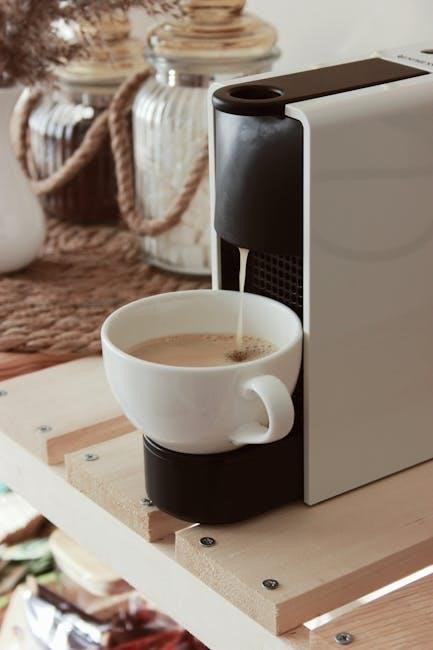
Another common issue is mineral buildup. If the “Descale” indicator is illuminated, perform a descaling cycle as outlined in the manual or on Keurig’s website. A clogged entrance or exit needle can also obstruct water flow; refer to the cleaning instructions for proper needle maintenance.
Finally, confirm the brewer is receiving power and that the power button has been pressed. If problems persist, consult the troubleshooting section of the Keurig website (support.keurig.com) for further assistance and potential solutions.
Safety Precautions
To ensure safe operation of your Keurig Mini, always unplug the unit before cleaning or performing maintenance. Avoid immersing the brewer in water or any other liquid, as this poses an electrical hazard. Never operate the appliance with a damaged cord or plug; if damaged, contact Keurig customer support for assistance.
Hot liquids are dispensed during brewing, so exercise caution to avoid burns. Keep the brewer out of reach of children and pets. Do not open the lid during the brewing cycle, as hot steam and water may escape. Use only genuine Keurig K-Cup pods to prevent damage to the brewer and ensure optimal performance.
Furthermore, ensure the brewer is placed on a stable, level surface. Never operate the appliance outdoors. Regularly inspect the cord for any signs of wear or damage. Following these precautions will help guarantee a safe and enjoyable brewing experience.
Cord Storage & Management
The Keurig Mini features convenient cord storage designed for compact storage and portability. Located at the back of the unit, a dedicated compartment neatly houses the power cord when not in use. To access, gently pull the plug and extend the cord to your desired length.
When finished brewing, simply retract the cord by pressing the designated buttons or mechanism (refer to diagrams in the full manual). Avoid forcefully pulling or yanking the cord, as this could damage the internal components. Ensure the cord is fully retracted to prevent tripping hazards and maintain a tidy countertop.
Proper cord management not only enhances the aesthetic appeal of your kitchen but also extends the lifespan of your Keurig Mini. Regularly check the cord for any signs of fraying or damage, and discontinue use if any issues are detected. A well-maintained cord ensures safe and reliable operation.
Warranty Information
Your Keurig Mini is backed by a limited manufacturer’s warranty, providing peace of mind against defects in materials and workmanship. The standard warranty period typically begins from the date of original purchase. Please retain your proof of purchase, as it is required for any warranty claims.
The warranty covers defects arising from normal household use. It does not cover damage resulting from misuse, accidents, unauthorized repairs, or failure to follow the care and maintenance instructions outlined in this manual. Damage caused by scale buildup is also generally excluded.
To initiate a warranty claim, contact Keurig Customer Service directly through their website or phone number (details are available at keurig.com). Be prepared to provide your model number, serial number, and a detailed description of the issue. Keurig will guide you through the necessary steps for repair or replacement, as deemed appropriate.

Finding Additional Support (Keurig Website)
Keurig’s official website, keurig.com, is a comprehensive resource for all your support needs. It offers a wealth of information, including frequently asked questions (FAQs), troubleshooting guides, and detailed user manuals downloadable in PDF format. You can easily search for specific issues or browse by product model.
The website also features a robust library of helpful videos demonstrating various aspects of Keurig Mini operation, from initial setup and brewing techniques to cleaning and descaling procedures. These visual guides can be particularly useful for understanding complex steps. TIP: Refer to support.keurig.com for video instructions on cleaning the entrance/exit needles.
For personalized assistance, Keurig provides multiple contact options, including live chat with a customer support representative and a dedicated phone support line. You can also submit a support request through their online form, detailing your issue and providing relevant information.
Understanding the Auto-Off Feature

Your Keurig Mini is equipped with an automatic shut-off feature designed for safety and energy conservation. After a period of inactivity, typically around 5 minutes following the last brew, the brewer will automatically power down. This prevents accidental operation and reduces energy consumption.
The auto-off function is a standard safety measure in small appliances. It doesn’t indicate a malfunction; it’s a normal operating characteristic. To resume brewing, simply press the power button again. The brewer will quickly reheat and be ready for your next cup.
It’s important to note that the exact auto-off time may vary slightly depending on the specific model of your Keurig Mini. Regularly unplugging the brewer when not in use is also recommended for enhanced safety and energy savings. This feature contributes to a convenient and worry-free brewing experience.
Replacing the Water Filter (If Applicable)

Certain Keurig Mini models may include an optional water filter to enhance the taste of your brewed beverages. If your model has a filter, it’s crucial to replace it regularly – approximately every two months, or after 60 tanks of water. Using a fresh filter ensures optimal water quality and prevents mineral buildup within the brewer.
To replace the filter, first, unplug the Keurig Mini. Locate the filter holder, usually within the water reservoir. Gently remove the old filter and discard it responsibly. Rinse the filter holder thoroughly with cool water. Insert a new Keurig-approved water filter into the holder, ensuring it’s securely seated.
After installing the new filter, soak it in fresh water for five minutes. This primes the filter and removes any loose particles. Then, reassemble the water reservoir and run a full brewing cycle with just water (no K-Cup) to flush the system. Regular filter replacement contributes to consistently delicious coffee and prolongs the life of your Keurig Mini.
Travel Tips for Your Keurig Mini
The Keurig Mini’s compact size makes it an excellent travel companion for coffee lovers! Before traveling, thoroughly clean and dry your brewer, paying special attention to the water reservoir and drip tray. Empty any remaining water to prevent leaks during transport. Secure the power cord neatly within the cord storage compartment.
When packing, consider wrapping the Keurig Mini in a soft cloth or bubble wrap for added protection against bumps and scratches; Place it in a sturdy box or travel bag, ensuring it won’t shift during transit. Avoid placing heavy items on top of the brewer.
Upon arrival, inspect the brewer for any damage. Before brewing, run a priming cycle with fresh water to ensure the system is clean and ready to use. Remember to use bottled or filtered water when traveling, as water quality can vary. Enjoy your favorite coffee wherever your adventures take you!
K-Mini Go Specific Instructions
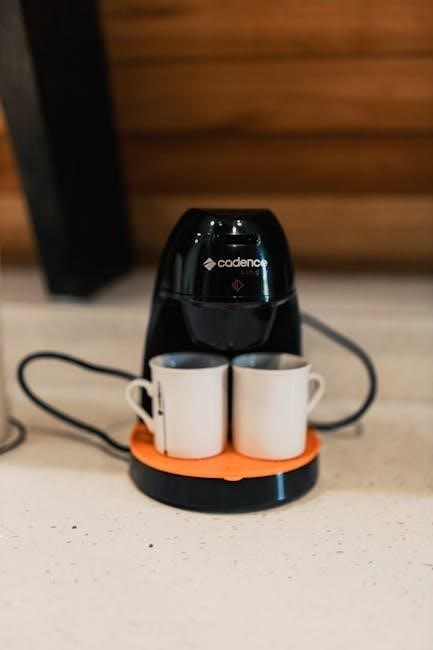
The K-Mini Go boasts unique features tailored for on-the-go brewing. Its travel mug compatibility is a standout – designed to fit directly onto the drip tray! Ensure the mug is properly aligned before brewing to prevent spills.
Cord storage is particularly convenient in this model. Fully extend the cord for use, then neatly wind it back into the unit’s base when finished. This keeps everything compact and organized for easy transport.
Descaling is crucial for maintaining optimal performance. Press and hold the power button together for 3 seconds to initiate the descaling process. Refer to keurig.com/descale for detailed instructions and recommended descaling solutions. Remember the water level must be at a minimum to brew. Regular descaling ensures consistently delicious coffee!