

a writer’s reference 10th edition pdf
Welcome to the 10th edition of the writer’s reference PDF, a comprehensive guide designed to support authors, editors, and students․ This document compiles essential rules, style guidelines, and practical examples for clear, effective writing․ Use it to polish drafts, check consistency, improve clarity
Purpose of the Reference PDF
The 10th‑edition writer’s reference PDF serves as a definitive companion for anyone engaged in the craft of writing․ Its primary purpose is to consolidate the most current standards for grammar, punctuation, and style into a single, easily navigable document․ By offering concise explanations, illustrative examples, and cross‑references, it enables writers to quickly verify rules and resolve doubts without consulting multiple sources․
Beyond basic mechanics, the PDF also addresses advanced topics such as voice consistency, audience adaptation, and digital publishing conventions․ It is designed to be a living resource, with hyperlinks that connect related sections and an index that facilitates rapid lookup․ This structure supports both novice writers seeking foundational guidance and seasoned professionals looking for authoritative confirmation․
Ultimately, the reference PDF aims to streamline the writing process, reduce errors, and promote clarity․ It encourages a disciplined approach to editing, ensuring that every manuscript meets the highest standards of professionalism and readability․
In addition, the document is optimized for integration with modern word processors and note‑taking applications․ Users can import sections directly, link citations, and maintain a consistent style across multiple projects․ The PDF’s internal search function allows for instant retrieval of specific rules, while its bookmark system helps organize complex documents․
Finally, the 10th edition reflects the latest revisions from major style authorities, ensuring that the content remains relevant in an evolving linguistic landscape․ By keeping the reference current, it provides writers with a reliable foundation for both traditional print and emerging digital media․

Overview of the 10th Edition
The 10th edition consolidates modern grammar, punctuation, and style updates, offering a streamlined, searchable PDF․ It features new sections on digital publishing, inclusive language, and cross‑reference links, making it an essential tool for writers seeking clarity and consistency․ Ideal for scholar
Key Updates and Changes
The 10th edition introduces a host of refinements that reflect contemporary writing practices and digital communication trends․ First, the grammar section has been expanded to include nuanced guidance on subject‑verb agreement in complex sentences, especially those involving collective nouns and non‑finite clauses․ Second, punctuation rules now cover the use of the Oxford comma in lists that contain nested items, providing clear examples that illustrate when the comma is optional versus required․ Third, the style guide has been updated to recommend inclusive language practices, offering alternatives for gendered terms and encouraging the use of person‑first language․ Fourth, a new chapter on digital publishing addresses formatting for e‑books, social media posts, and web articles, outlining best practices for hyperlinks, metadata, and responsive design․ Fifth, the reference tables have been reorganized for faster lookup, with a new index that cross‑references synonyms, antonyms, and usage frequency․ Finally, the PDF itself has been enhanced with interactive bookmarks, searchable text, and embedded hyperlinks that connect directly to the relevant sections, making navigation more intuitive for researchers and writers alike․ These changes collectively ensure that the reference remains a reliable, up‑to‑date resource for the modern writer․
- Non‑finite clause guidance!!
- Inclusive language alternatives
- Digital publishing tips 2024
- Responsive design tips web!!!․

Content Structure
The 10th edition is organized into five main sections: Foundations, Grammar, Style, Digital, and Appendices․ Each section contains concise rules, illustrative examples, and cross‑refs, enabling writers to locate guidance quickly and apply it consistently across projects․!!
Main Parts and Appendices
The 10th edition is segmented into five core parts: the Foundations of Writing, Grammar Essentials, Stylistic Mastery, Digital Composition, and the Comprehensive Appendices․ Each part is structured with clear sub‑sections, concise rules, illustrative examples, and practical exercises that reinforce learning․ The Foundations section lays the groundwork for effective communication, covering audience analysis, purpose definition, and the principles of clarity, concision, and coherence․ Grammar Essentials delves into syntax, punctuation, tense consistency, and the nuanced use of modifiers, offering side‑by‑side comparisons and common pitfalls to avoid․ Stylistic Mastery focuses on voice, tone, and the art of revision, guiding writers through the iterative process of refining drafts, tightening prose, and enhancing readability․ Digital Composition addresses the unique demands of online writing, including SEO best practices, multimedia integration, and accessibility standards․ The Appendices provide quick reference tables, a glossary of terms, and a curated list of resources for further study, ensuring that the PDF remains an indispensable companion for writers at all stages․ Additionally, the PDF incorporates interactive hyperlinks, a built‑in glossary, and a searchable index that allows users to locate specific rules or examples with ease, making it a versatile tool for both novice and seasoned writers․ Users can export notes, sync across devices, and integrate the PDF with tools, ensuring workflow!

Target Audience
Designed for authors, editors, and students, this PDF guides writers through fundamentals, advanced techniques, and digital composition․ It supports academic, creative, and professional writing, offering clear rules, examples, and tools for effective communication․ Use it daily for polished drafts․ and more․
For Writers and Educators
Writers and educators benefit from the 10th edition’s clear, actionable guidance․ The PDF offers concise rules for grammar, punctuation, and style, accompanied by illustrative examples that demonstrate correct usage in context․ It includes a dedicated section on academic conventions, helping students craft citations, footnotes, and reference lists that meet institutional standards․ For educators, the resource serves as a reliable reference for grading rubrics, providing consistent criteria for clarity, cohesion, and originality․ The document’s modular layout allows instructors to select relevant chapters for specific courses—creative writing, technical communication, or professional editing—ensuring that lessons are directly applicable to classroom objectives․ Additionally, the PDF incorporates best practices for digital publishing, covering file formatting, metadata, and accessibility standards, which are essential for modern writers who distribute content online․ By integrating these elements, the reference empowers writers to refine their craft, while educators can confidently guide students toward mastery of written expression․ The guide also details an efficient editing workflow, outlining stages from initial draft to final polish, and suggests peer‑review techniques that foster collaborative learning․ It highlights revision strategies, such as focusing on structure before style, and offers checklists to track progress․ Digital tools are discussed, including citation managers, grammar checkers, and collaborative platforms, enabling writers to streamline production․ The appendices provide a comprehensive glossary of technical terms, a list of common pitfalls, and sample templates for various document types․ Finally, the PDF’s searchability and annotation features allow users to quickly locate rules and add personal notes, making it an indispensable companion for both novice and seasoned writers․ It includes a brief guide on plagiarism, citation integrity, and ethical source usageand originality matters!

Accessibility and Formats

Downloading the PDF
To download the 10th edition writer’s reference PDF, visit the official publisher’s website or authorized distributors․ Locate the secure download link, verify the file size and checksum, then save it locally․ Ensure you have a compatible PDF reader before opening․ Downloading is free with a license now
Official Sources and Licensing
For the 10th edition of the Writer’s Reference PDF, the sole legitimate source is publisher’s website and partners․ All downloads are protected by a rights management system that verifies the user’s license before allowing access․ The standard license grants a right to view, print, and use the PDF for personal, academic, or professional purposes․ Commercial distribution, duplication, or redistribution without explicit written permission is strictly prohibited․ To obtain a license, users must register on the publisher’s portal, provide a valid email address, and agree to the terms of use․ Once approved, a unique license key is emailed, which must be entered during the first launch of the PDF reader․ The license key is tied to the device’s hardware ID, ensuring that the file remains protected against unauthorized sharing․ For educational institutions, bulk licensing options are available․ These allow multiple users within an organization to access the PDF under a master key, simplifying compliance and reducing costs․ All licenses are governed by the copyright laws of the jurisdiction where the publisher is incorporated, and any breach of the licensing agreement can result in immediate revocation of access and potential legal action․ It is essential to keep the license key confidential and to store the PDF in a location․ The publisher provides a channel for license‑related inquiries, and users can request extensions or modifications to their license terms by submitting a formal request through the portal․ By adhering to these licensing guidelines, users ensure that they remain in compliance while enjoying the benefits of the 10th edition Writer’s Reference PDF!!
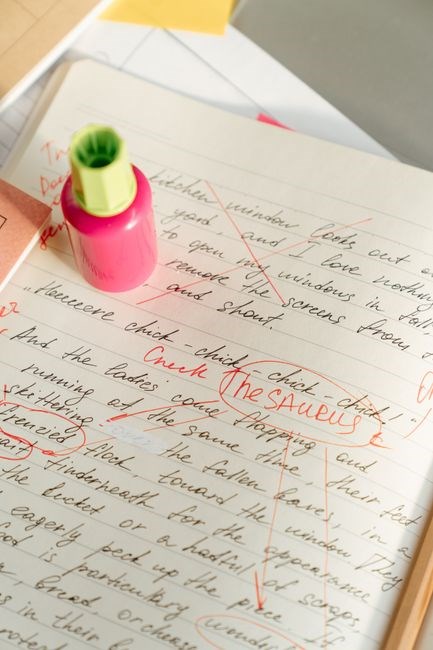
Using the PDF Effectively
Utilize the PDF’s search function to locate terms quickly․ Highlight passages, add sticky notes, and use the built‑in annotation tools for margin comments․ Organize sections with bookmarks, and sync your notes across devices․ Regularly update the PDF to stay current with new editions․ Use bookmarks now․
Search, Annotation, and Note‑Taking
Start by opening the PDF in a reader that supports full‑text search․ Use the search bar to locate keywords, phrases, or section titles; most readers allow case‑sensitive or whole‑word options․ Once a match is found, the viewer highlights the text and scrolls to the exact location, saving time when reviewing large volumes․
Annotation tools are essential for collaborative editing․ Highlight text in a color that indicates the type of comment—yellow for general notes, blue for citation requests, green for stylistic suggestions․
Many PDF readers let you attach hyperlinks or images to a note, which is useful for referencing external sources or visual examples․
Note‑taking can be organized by creating a separate layer or using the built‑in “Notes” panel․ Label each note with a brief tag (e․g․, “Grammar,” “Citation,” “Tone”) and use the search function within notes to retrieve them quickly․ Export notes as a separate file if you need to share them with peers or keep a clean version of the PDF for publication․ Consistent annotation practices improve workflow efficiency and ensure that revisions are traceable․
When working with multiple documents, keep a master index of all referenced PDFs and their annotation summaries․ Use the PDF’s “Outline” feature to create a clickable table of contents that links to key sections․ This makes cross‑referencing effortless and ensures that you can jump directly to the relevant page without scrolling through the entire file․
Common Issues and Troubleshooting
Users often encounter display glitches, missing fonts, or corrupted pages․ To fix, update the PDF reader, enable compatibility mode, or re‑download the file from the official source․ If the file remains unreadable, use a different viewer or convert to a fresh PDF․ Also, try a different PDF viewer now․!!!
File Corruption and Browser Compatibility
When the 10th‑edition PDF opens with blank pages, broken links, or garbled text, the most common culprit is file corruption or an incompatible browser plugin․ The first step is to verify the file’s integrity by comparing its SHA‑256 hash with the one published on the official site․ A mismatch indicates corruption during download or storage․
Modern browsers often block PDF rendering if the file is large or contains advanced features such as embedded JavaScript․ To avoid this, use a dedicated PDF viewer like Adobe Acrobat Reader or Foxit Reader, which fully support the latest PDF standards․ If you must view the file in the browser, enable the “PDF;js” extension in Firefox or Chrome, and ensure the browser is updated to the latest stable release․ This reduces rendering errors and improves security․
When a PDF fails to load, try clearing the browser cache or opening the file in a different browser․ If the document contains password protection, ensure you have the correct credentials; otherwise, use a password‑removal tool that complies with copyright laws․ For large files, consider splitting the PDF into smaller sections using tools like PDFsam or online services․ Finally, if the file still behaves erratically, contact the publisher’s support team for a fresh copy or a known‑good version․
By following these guidelines, you can quickly resolve most PDF-related hiccups and focus on refining your writing․ Remember to keep backups and regularly verify file integrity to avoid future disruptions․stay sharp