
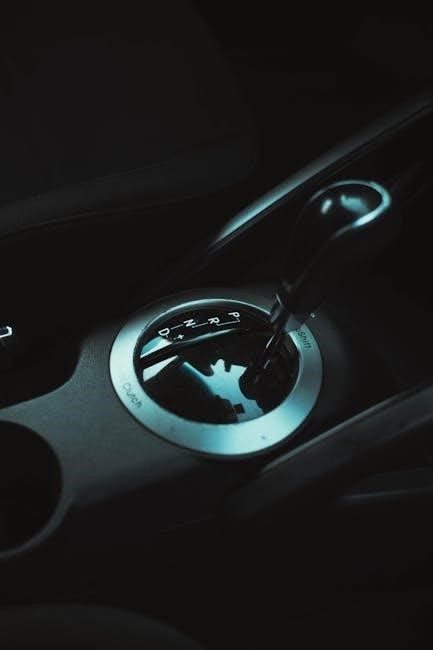
manual transmission mercedes
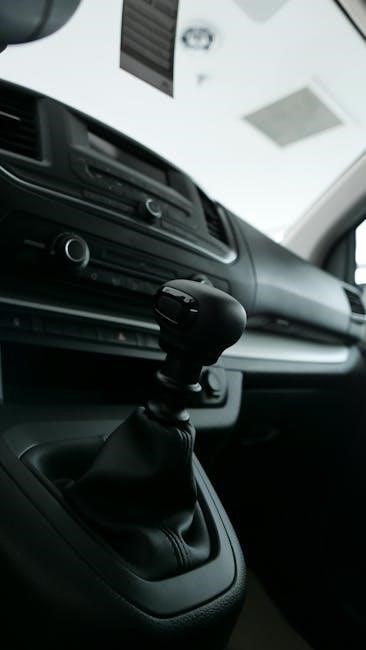
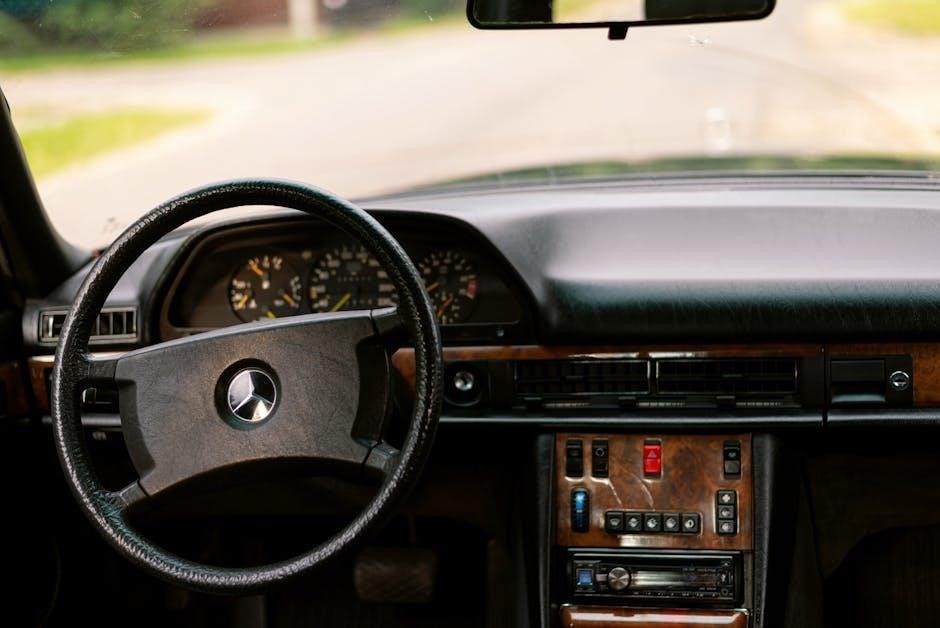
Mercedes-Benz historically offered manual transmissions, though their prevalence is dwindling due to practicality concerns and the rise of automation.
Currently, less than 10% of models retain this option, impacting driving experiences and enthusiast preferences.
Historical Context of Manual Gearboxes in Mercedes
Historically, Mercedes-Benz, like many automakers, began with manual transmissions as the standard. Early Mercedes vehicles relied entirely on driver-operated gearboxes, evolving alongside automotive technology throughout the 20th century. These early systems, while robust for their time, weren’t always known for refinement, a factor influencing later preferences.
Over decades, Mercedes integrated increasingly sophisticated manual transmissions, offering drivers greater control and a more engaging driving experience. However, the introduction of automatic transmissions presented a compelling alternative, prioritizing convenience and ease of use. The foot-operated park brake, a signature Mercedes feature, presented a unique challenge when combined with manual gearboxes, requiring coordinated operation.
Despite the rise of automatics, a dedicated following remained for manual Mercedes, valuing the direct connection to the vehicle and the enhanced driving feel. This historical context explains the current situation, where manual options are becoming increasingly rare, representing a legacy of driving engagement.
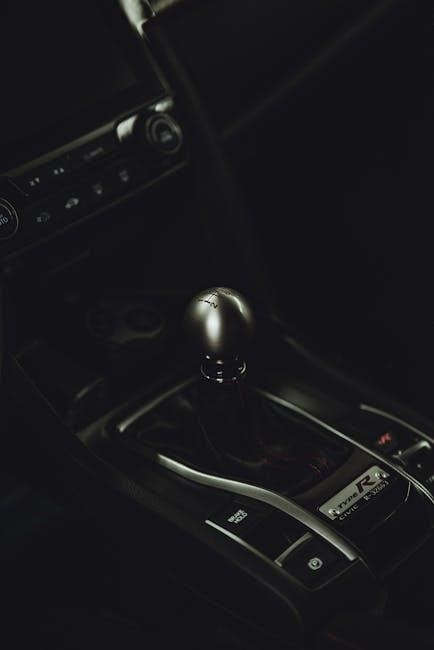
The Declining Availability of Manual Transmissions in Mercedes Lineup (as of 12/17/2025)
As of today, December 17, 2025, the availability of manual transmissions within the Mercedes-Benz lineup is critically low. Out of a total of 240 Mercedes-Benz models, only 22 are currently offered with a manual gearbox – representing less than 10% of the entire range. This dramatic reduction underscores a significant shift in consumer preference and the company’s strategic direction.
The primary driver of this decline is the accelerating trend towards electrification and the increasing demand for automatic transmissions. Without considering the compact range, Mercedes would be left with only two models offering a manual option: the C 180d (122 HP) and the C 200d (150 HP). Both are equipped with a manual transmission.
This scarcity highlights a potential future where manual transmissions become a niche offering, primarily catering to enthusiasts and those seeking a more traditional driving experience.
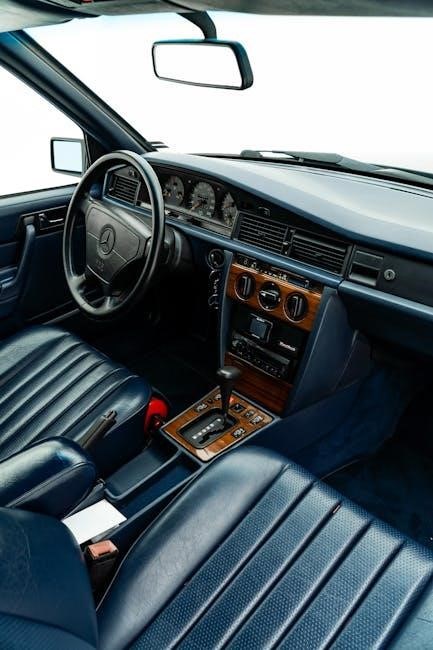
Common Issues with Mercedes-Benz Manual Transmissions
Frequent problems include difficulty engaging gears (5th, 6th, and reverse), a loose shifter feel indicating internal wear, and transmission binding due to worn bushings.
Difficulty Engaging Gears 5 & 6 and Reverse
A common complaint among Mercedes-Benz manual transmission owners, particularly with models like the C180 (2004), is the sudden inability to engage 5th, 6th gears, and reverse. Drivers report the shift lever feeling loose prior to this issue manifesting. It’s crucial to cease driving immediately upon noticing this symptom to prevent further damage.
While Mercedes-Benz manual gearboxes are generally considered robust and “bomb proof,” this specific issue suggests underlying internal problems. The root cause could range from worn synchronizers to internal linkage issues. Ignoring the problem won’t make it disappear; instead, it will likely worsen, potentially leading to more extensive and costly repairs. Prompt diagnosis by a qualified Mercedes-Benz transmission specialist is highly recommended.
Early intervention can often save significant repair costs and prevent complete transmission failure. Don’t delay seeking professional assistance if you experience this frustrating and potentially damaging issue.
Loose Shifter Feel – A Symptom of Internal Wear
A noticeable looseness in the shifter’s action is frequently reported by Mercedes-Benz manual transmission owners and serves as a critical early warning sign. This isn’t simply a matter of adjustment; it often indicates significant internal wear within the transmission itself. The looseness can manifest as excessive play in the shift lever, making gear selection feel imprecise or vague.
This symptom often precedes more serious issues, such as difficulty engaging specific gears (like 5th, 6th, or reverse). Worn internal components, including shift linkage bushings, synchronizers, or even the shift forks themselves, contribute to this sensation. Ignoring a loose shifter feel can accelerate wear on other transmission parts, leading to more extensive and expensive repairs down the line.
A professional inspection is vital to pinpoint the source of the looseness and address it before it escalates into a major mechanical failure; Don’t dismiss this as a minor annoyance; it’s a signal that attention is needed.
Transmission Binding or Shifting Problems Due to Worn Bushings
Worn bushings are a common culprit behind transmission binding and difficult shifting in older Mercedes-Benz manual transmissions, particularly in models like the 220D, 240D, 190D, and 190E. These bushings, responsible for supporting the shift linkages, lose their elasticity over time, creating excessive play and imprecise movements.
When bushings deteriorate, the shift linkages can become misaligned, causing the transmission to bind during gear changes or even preventing certain gears from engaging altogether. This manifests as a stiff or notchy shift feel, requiring excessive force to move the shifter. Drawings and guides are available to assist with removal and adjustment of these linkages.
Addressing worn bushings is often a relatively straightforward and cost-effective repair. However, neglecting this issue can lead to further damage to the shift mechanism and potentially more significant transmission problems. Regular inspection and replacement are key.
Burning Smell – A Sign of Overheating
A distinct burning smell emanating from the front of your Mercedes-Benz, particularly after driving with a manual transmission, is a critical warning sign indicating potential overheating. This isn’t a minor issue; it suggests significant internal friction and stress within the gearbox. Ignoring this symptom can lead to catastrophic failure and expensive repairs.
Overheating can stem from several factors, including low transmission fluid levels, excessive clutch slippage, or prolonged strenuous driving conditions. The burning odor is typically caused by the breakdown of transmission fluid due to excessive heat. It’s crucial to immediately cease driving if you detect this smell.
Promptly contacting a qualified Mercedes-Benz transmission specialist for a thorough inspection is paramount. They can accurately diagnose the root cause of the overheating and recommend appropriate repair solutions before irreversible damage occurs. Don’t delay – overheating can quickly escalate.
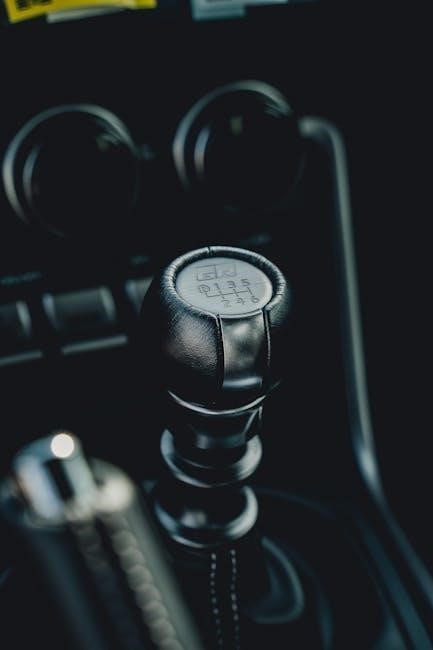
Maintenance and Repair of Mercedes-Benz Manual Transmissions
Regular maintenance is vital; check fluid levels and the 13-pin connector O-ring frequently. Addressing issues early prevents major problems and costly repairs.
Importance of Correct Transmission Fluid Level
Maintaining the correct transmission fluid level is absolutely crucial for the longevity and smooth operation of your Mercedes-Benz manual gearbox. Many transmission issues, including hard shifting and complete failure to shift, can often be traced back to an improperly maintained fluid level. The fluid lubricates internal components, reducing friction and wear, and also plays a vital role in regulating temperature.
Low fluid levels can lead to increased wear on gears and bearings, while excessively high levels can cause aeration and reduced lubrication effectiveness. Regularly checking and topping up the fluid – using the manufacturer’s specified type – is a simple yet highly effective preventative measure. Ignoring this basic maintenance step can quickly escalate into expensive repairs, potentially requiring a full transmission overhaul or replacement. Prioritizing fluid levels safeguards your investment and ensures a pleasurable driving experience.
The 13-Pin Connector Plug O-Ring – A Frequent Culprit
The 13-pin connector plug O-ring is a surprisingly common source of transmission problems in Mercedes-Benz manual gearboxes. This small, often overlooked component seals the connection for the transmission’s wiring harness. Over time, the O-ring can become brittle, cracked, or simply deteriorate, leading to oil leaks.
These leaks can cause a gradual loss of transmission fluid, manifesting as hard shifting or, in severe cases, complete transmission failure. Diagnosing this issue is relatively straightforward, but it requires a keen eye and knowledge of the system. Replacing the O-ring is a cost-effective repair, significantly cheaper than addressing the consequences of prolonged fluid loss. Don’t underestimate the importance of this tiny part – it can save you considerable expense and inconvenience.
Adjusting Shift Linkages (Specifically for Older Models: 220D, 240D, 190D, 190E)
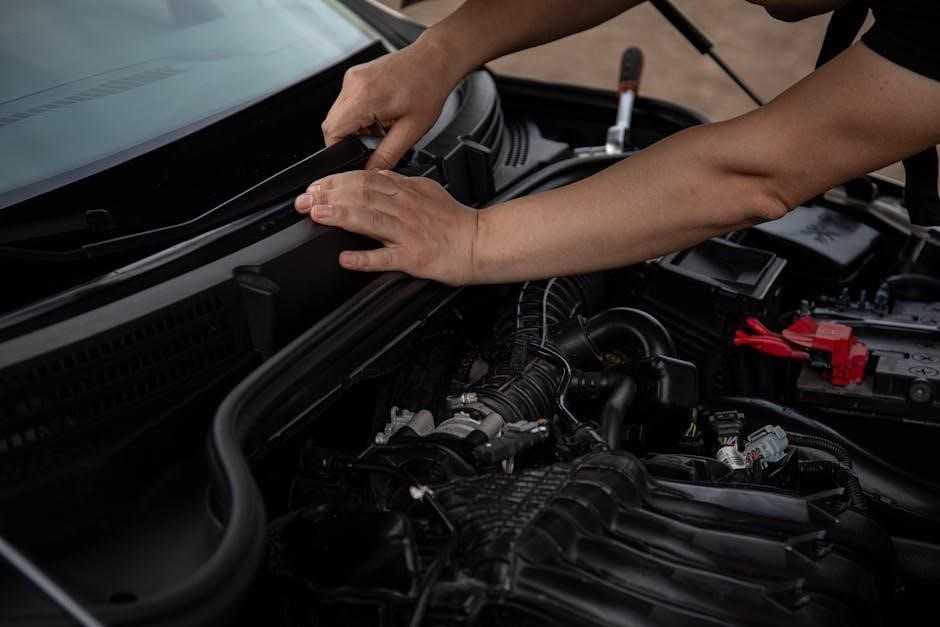
Older Mercedes-Benz models – specifically the 220D, 240D, 190D, and 190E with manual transmissions – often require adjustment of their shift linkages. Over time, these linkages can become misaligned due to wear and tear, resulting in imprecise shifting or difficulty selecting certain gears. Fortunately, correcting this issue is often achievable with basic tools and a bit of mechanical aptitude.
Detailed diagrams are available to guide the adjustment process, illustrating the proper positioning of the various linkage components; The goal is to ensure smooth, accurate gear engagement. Proper adjustment eliminates binding and ensures the driver can confidently select the desired gear. It’s a crucial maintenance step for preserving the driving experience and preventing further wear on the transmission.
Specific Mercedes-Benz Models with Manual Transmission (Current)
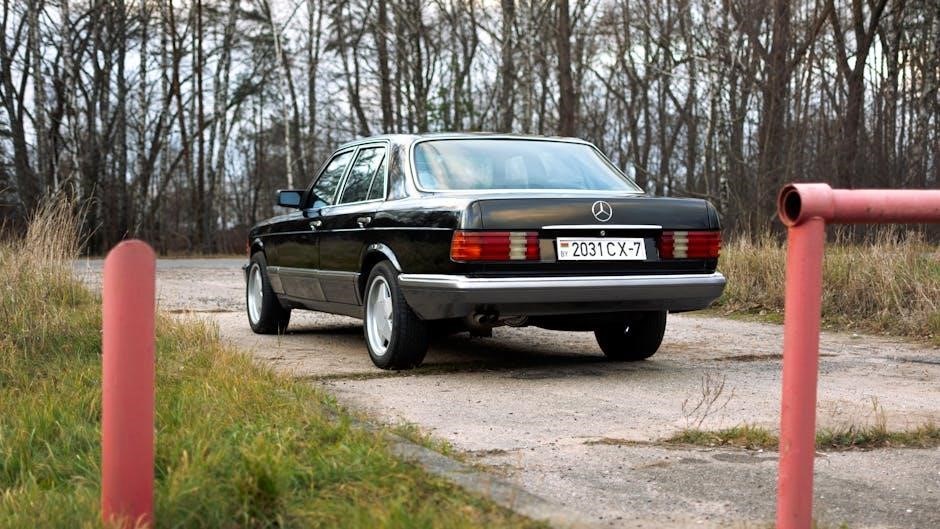
Currently, the C 180d (122 HP) and C 200d (150 HP) are the primary Mercedes-Benz models offering manual transmission options, primarily within the compact range.
C 180d (122 HP) – Manual Transmission Availability
The Mercedes-Benz C 180d, powered by a 122 horsepower diesel engine, represents one of the last bastions of manual transmission availability within the current Mercedes lineup as of December 17, 2025. This model provides a more engaging driving experience for enthusiasts who prefer the control and connection offered by a manual gearbox. However, its availability is increasingly limited, reflecting the broader industry trend towards automatic transmissions and, more recently, electric vehicles.
For those seeking a traditional driving feel, the C 180d with a manual transmission offers a compelling option. It’s important to note that demand for manual versions is relatively low, potentially leading to longer wait times or limited stock at dealerships. The combination of a fuel-efficient diesel engine and a manual gearbox makes it an attractive choice for drivers prioritizing economy and driver involvement. Prospective buyers should confirm current availability with their local Mercedes-Benz retailer.
C 200d (150 HP) – Manual Transmission Availability
The Mercedes-Benz C 200d, boasting a 150 horsepower diesel engine, mirrors the C 180d in offering a dwindling, yet still present, manual transmission option as of December 17, 2025. Like its lower-powered sibling, the C 200d caters to drivers who value the tactile experience and control of a manual gearbox, providing a more connected driving dynamic. However, its availability is becoming increasingly scarce, mirroring the overall decline in manual transmission offerings from Mercedes-Benz.
This model represents one of only a handful of Mercedes vehicles still available with a manual, particularly outside of the compact range. Potential buyers should proactively check with dealerships regarding stock and lead times, as demand for manual versions is significantly lower than automatic counterparts. The C 200d’s combination of increased power and a manual transmission appeals to enthusiasts seeking a balance between performance and driver engagement.
Mercedes-Benz A-Class Transmission Issues – Common Problems
Owners of Mercedes-Benz A-Class models equipped with manual transmissions have reported several recurring issues. Difficulty engaging gears, particularly 5th, 6th, and reverse, is a frequent complaint, often accompanied by a loose or imprecise shifter feel. This suggests potential internal wear within the transmission itself, requiring expert diagnosis. Transmission binding, preventing smooth shifting, can stem from worn bushings that fall out of adjustment, necessitating linkage adjustments or component replacement.
Furthermore, maintaining the correct transmission fluid level is crucial, as inconsistencies can lead to hard shifting or complete transmission failure. The notorious 13-pin connector plug O-ring is also a common culprit behind transmission problems in various Mercedes models, including the A-Class. Addressing these issues promptly with a qualified Mercedes-Benz specialist is vital to prevent further damage and ensure continued reliability.
Challenges Associated with Mercedes-Benz Manual Transmissions
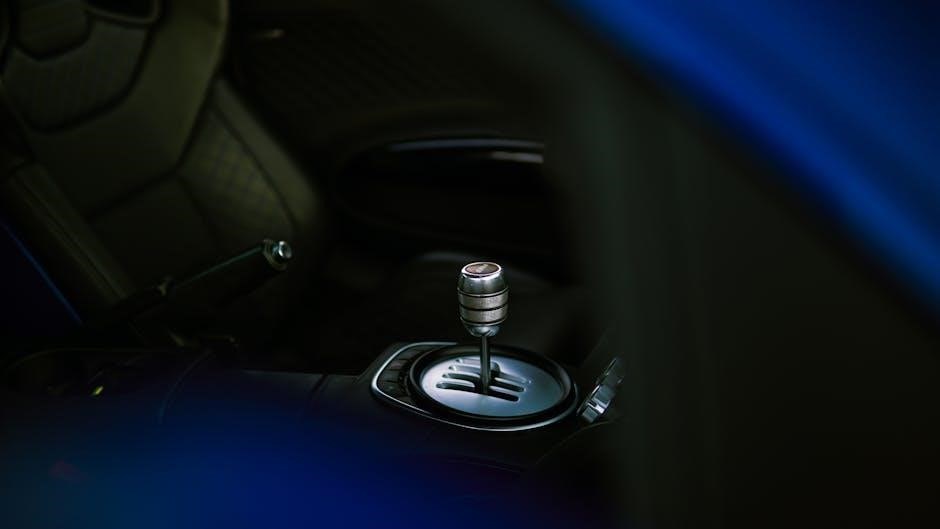
Combining the foot-operated park brake with a manual transmission presents a unique driving challenge, often requiring skillful coordination and hill start assist features.
The Foot-Operated Park Brake and Manual Transmission Combination
Mercedes-Benz’s traditional foot-operated park brake, while a hallmark of the brand for many years, introduces a distinct challenge when paired with a manual transmission. Unlike modern electronic parking brakes, the foot brake requires the driver to disengage it before selecting a gear, adding an extra step during starts, particularly on inclines. This combination often leads to a less intuitive experience for drivers accustomed to more automated systems.
The inherent difficulty is compounded by the need for precise coordination between the clutch, accelerator, and park brake release. Many drivers find this process awkward, especially in stop-and-go traffic or on hills. Mercedes attempted to mitigate this with the inclusion of Hill Start Assist, but it doesn’t fully resolve the issue for all drivers. The foot brake remains a significant point of contention for those choosing a manual transmission in a Mercedes-Benz vehicle, often cited as a primary reason for opting for an automatic.
Hill Start Assist – Mercedes’ Attempt to Mitigate Driving Difficulty
Mercedes-Benz recognized the challenges posed by combining a manual transmission with its foot-operated park brake, leading to the implementation of Hill Start Assist. This system is designed to hold the vehicle stationary on an incline for a brief period after the driver releases the brake pedal, providing crucial seconds to move their foot to the accelerator without rolling backward.
While a helpful addition, Hill Start Assist isn’t a complete solution. Some drivers still find the transition awkward, particularly if they aren’t accustomed to the system’s timing or sensitivity. The system doesn’t eliminate the need for coordination between the clutch and accelerator; it merely provides a temporary reprieve. Despite its intention, the foot brake remains a significant issue for many, and Hill Start Assist is often viewed as a partial, rather than comprehensive, fix to the inherent difficulty of the manual/foot brake pairing.
Future of Manual Transmissions in Mercedes-Benz
Electrification is rapidly diminishing manual gearbox availability; currently, fewer than 10% of Mercedes models offer them, with only 22 out of 240 having a manual option.
Impact of Electrification on Manual Transmission Availability
The shift towards electric vehicles (EVs) is profoundly impacting the future of manual transmissions within Mercedes-Benz’s lineup. As the automotive industry accelerates its transition to electric powertrains, the demand for traditional internal combustion engine (ICE) vehicles – and consequently, their associated manual gearboxes – is steadily declining.
Electric motors deliver instant torque, eliminating the need for multi-gear transmissions altogether. This fundamental difference in powertrain technology renders manual transmissions largely obsolete in the EV era. Mercedes-Benz, like other manufacturers, is heavily investing in electric vehicle development, prioritizing resources towards EV platforms rather than maintaining and refining manual transmission systems.
Currently, with only 22 models out of 240 offering a manual option, the trend is clear. Without the compact range, Mercedes would be left with just the C 180d and C 200d offering a manual gearbox, highlighting the shrinking availability. This signifies a strategic move towards an all-electric future, where manual transmissions will likely become a niche offering, if available at all.
The Current State: Less Than 10% of Mercedes Models Offer Manual Transmission
As of December 17, 2025, the availability of manual transmissions across the Mercedes-Benz model range is critically low. Out of a total of 240 models, a mere 22 are currently offered with a manual gearbox option. This represents a significant decrease, signifying a clear shift in the manufacturer’s focus towards automatic transmissions and, increasingly, electric powertrains.
The limited selection primarily resides within the compact vehicle segment. Were it not for these models, Mercedes-Benz would be left with only two offerings – the C 180d (122 HP) and the C 200d (150 HP) – equipped with a manual transmission. Both vehicles utilize the same gearbox, further emphasizing the restricted choice for enthusiasts.
This statistic underscores the dwindling importance of manual transmissions within Mercedes-Benz’s overall strategy, reflecting changing consumer preferences and the industry’s broader move towards automated driving experiences. The future availability appears increasingly uncertain.
Finding a Mercedes-Benz Transmission Specialist
Expert diagnosis and repair are crucial for Mercedes-Benz manual transmissions, given their complexity. Seek a specialist for accurate assessments and effective solutions to any issues.
Importance of Expert Diagnosis and Repair
When confronting issues with a Mercedes-Benz manual transmission, relying on a general mechanic can be problematic. These transmissions, while generally robust, possess unique characteristics demanding specialized knowledge. Incorrect diagnosis can lead to unnecessary repairs and wasted expense. A Mercedes-Benz transmission specialist possesses the tools, training, and experience to accurately pinpoint the root cause of problems, whether it’s a worn bushing, low fluid, or a failing synchronizer.
Furthermore, proper repair requires understanding the intricacies of Mercedes’ engineering. Simply replacing parts isn’t always the answer; adjustments and precise component interactions are often critical. An expert will ensure that repairs are performed to factory specifications, preserving the transmission’s longevity and performance. Ignoring subtle symptoms or attempting DIY fixes can exacerbate the issue, potentially leading to complete transmission failure and a significantly higher repair bill. Prioritize a specialist for peace of mind and a lasting solution.